Life After Liver Transplant: How to Reintegrate Into the Workplace
A liver transplant is a significant surgical process that provides individuals with a second chance on life. But even if the transplant process itself is a big deal, what occurs after can be every bit as intimidating. Recovery from a liver transplant and the eventual transition into the workforce again take diligent planning, patience, and knowledge. Many patients find themselves wondering when and under what conditions they can resume their working lives without compromising their overall health.
Recovering physically and psychologically also involves giving yourself time, and with the right strategy, re-adjustment into the workforce can be easy. The steps outlined in this guide along with the best liver transplant hospital in Delhi will take you through this process with your best interests.
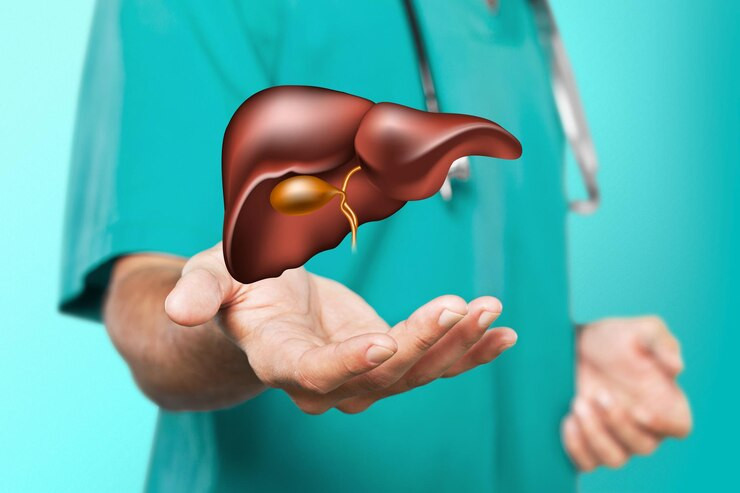
How Soon Can I Return to Work?
Recovery timelines for every individual are different, but generally, doctors recommend a minimum of three months and up to half a year of not working. This will allow your body enough time to heal, your medications enough time to stabilize, and your energy levels enough of a boost. The details, however, depend on factors such as the nature of your job, your overall health, and your adaptation of the liver transplant.
Signs You are Ready to Work Again
Before heading back to work, check these key factors:
-
Physical strength – Can you complete daily tasks without excessive fatigue?
-
Mental well-being – How prepared are you for job-related stress?
-
Medical stability – Have your doctors confirmed your liver function is stable?
-
Immune response – Can you engage with coworkers without posing a substantial risk of infection?
If you’re uncertain, consult with the best transplant doctor in Delhi The best Liver Doctor in Delhi NCR can inform you when and how best to gradually transition into your professional schedule.
Preparing for Your Return to Work
Jumping back into working full-time can be intimidating. Gradually take steps towards a smooth transition.
1. Communicate with Your Employer
Honest communication with your employer can smooth the transition. Outline your situation and what may be necessary for adaptation. Part-time and flexible schedules are regularly offered in workplaces for employees who are coming back from medical leave.
2. Start Slowly
If possible, begin with shorter working times and gradually increase your workload. This will not drain your energy and also enable your body to settle into a regular schedule.
3. Prioritize Your Health
Returning to the workforce doesn't mean ignoring your health. Stay on top of your medications, take your follow-up appointments, and be on a balanced diet. Plan for regular short periods of relaxation and replenishment.
4. Plan Your Energy Levels
Post-transplant fatigue happens. Pay attention to your levels of alertness and space your heavy efforts when your alert levels are best. Don't be afraid of asking for help when needed.
5. Reduce Stress Where Possible
Managing stress is very important when remaining healthy after a transplant. Practice relaxation techniques, including deep breathing, or take short walks in order to keep low levels of stress when working.
Challenges You May Face and How to Overcome Them
Returning to work isn’t just about getting back to business—it’s about finding a balance between productivity and self-care. Here are some challenges you might face and how to handle them:
1. Physical Limitation
Some jobs require standing for several hours, heavy lifting, or extensive travel and can be exhausting after transplant. If your occupation has strenuous requirements, request such accommodations such as lighter duties, working from home, or other arrangements for the duration of your weakened status.
2. Workplace environment
Open office settings are more of a risk for infections, mainly because transplant patients take immunosuppressive medications. If possible, request a low-contact, clean working environment in order to limit exposure.
3. Emotional Well-Being
Anxiety, fear, and even depression can be accompanied with becoming a member of the workforce. Speak with a counselor, your family, and even a support group. Speaking with individuals who've been down this road can be very reassuring.
4. Time Management
Balancing medical appointments, medication, and job requirements can be overwhelming. Manage your professional and healthcare commitments with a planner or reminder app.
Effective Tips to Returning to Work
Here’s how you can make your transition smoother:
-
Maintain a balanced diet - Consume nutritionally balanced foods for sustained levels of energy.
-
Stay Hydrated: Drink plenty of water and avoid dehydration and tiredness.
-
Exercise in Moderation - Mild exercise, such as stretching, or short walks can boost vitality.
-
Be Honest with Your Limits – If you feel exhausted, take a pause instead of working too hard.
-
Stay Organized: Use a calendar or task list to manage job and medical responsibilities.
Why Choosing the Right Hospital Matters?
A successful transplant can be accomplished with professional pre- and postsurgical and intra-surgical medical treatment. The best hospital assures there will be on-going care for a smooth transition into the workforce.
PSRI Hospital, being a top liver transplant hospital in Delhi, offers best-in-class after-transplant treatment, helping patients gain their lost strength and confidence and then get back into their professional lives. With best specialists, best infrastructure, and patient-oriented treatment, PSRI Hospital ensures transplant patients complete their journey of recovery with utmost ease.
Conclusion
Life after transplant isn't easy, but being able to work after transplant can be accomplished with the right attitude and with the proper amount of support. Focus on your overall health, inform your employer, and gradually step into working.
While focusing on the recovery process, also consider the liver transplant cost in India because solving the finances can decrease the amount of stress and make the transition of working again. Understanding what's being incurred and preparing for the same can ensure stability in the future.
PSRI Hospital remains committed to providing quality treatment for transplant patients, assisting them in acquiring the counseling needed for a smooth transition into normal life. Schedule a consultation today and take control of your health and career with confidence!
Comments
Post a Comment