Liver Cancer: Decoding the Symptoms, Causes, and Potential Treatment Options
Liver cancer, though less common than many other cancers, is a serious condition with significant impact on health. Early diagnosis and effective treatment options can greatly improve the quality of life and outcomes for those affected. This blog covers the main symptoms, potential causes, and treatment methods for liver cancer, while highlighting the importance of consulting the best liver doctor in Delhi for expert care and guidance.
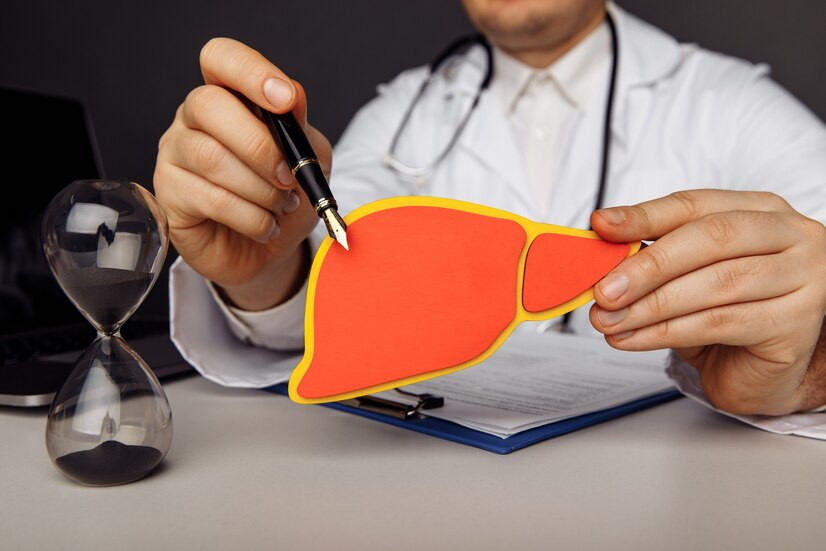
Understanding Liver Cancer:
Liver cancer is primarily of two types: primary liver cancer, which originates in the liver, and secondary liver cancer, which begins elsewhere in the body and spreads to the liver. Hepatocellular carcinoma (HCC) is the most common form of primary liver cancer. The liver, a vital organ, performs critical functions such as detoxification, protein synthesis, and producing bile for digestion, making liver health essential for overall well-being.
Key Symptoms of Liver Cancer:
Recognizing the symptoms of liver cancer is essential for early intervention. Common signs include:
-
Unintended Weight Loss: A noticeable drop in weight without changes in diet or physical activity.
-
Upper Abdominal Pain: Discomfort or pain in the upper abdomen, often on the right side.
-
Loss of Appetite: A marked decrease in appetite or feeling full after a small meal.
-
Fatigue: Persistent tiredness that doesn’t improve with rest.
-
Jaundice: Yellowing of the skin and eyes due to bile buildup.
-
Swelling in the Abdomen: Caused by fluid accumulation or an enlarged liver.
Other symptoms may include nausea, vomiting, and generalized weakness. Since these symptoms can overlap with other liver-related conditions, consulting the best liver transplant surgeon in Delhi for an accurate diagnosis and treatment plan is advised.
Causes and Risk Factors:
Liver cancer can have various causes, many of which are preventable with lifestyle changes and proactive healthcare. Known risk factors include:
-
Chronic Viral Hepatitis (Hepatitis B and C): Long-term infections with these viruses are major causes of liver cancer due to the damage they cause over time.
-
Cirrhosis: Scarring of the liver from previous injury or disease increases cancer risk.
-
Alcohol Abuse: Excessive drinking can lead to cirrhosis, which may progress to liver cancer.
-
Nonalcoholic Fatty Liver Disease (NAFLD): Fat accumulation in the liver unrelated to alcohol intake can cause cirrhosis and potentially cancer.
-
Obesity: Being overweight or obese can lead to NAFLD, increasing liver cancer risk.
-
Genetic Factors: Certain inherited conditions, like hemochromatosis (iron buildup in the liver), may predispose individuals to liver cancer.
Environmental factors, such as aflatoxins (toxins from mold found on improperly stored grains and nuts), also increase liver cancer risk, especially in areas with high humidity and heat where these molds thrive.
Diagnostic Process for Liver Cancer:
If symptoms or risk factors suggest liver cancer, a liver specialist will typically perform a combination of tests, which may include:
-
Blood Tests: Alpha-fetoprotein (AFP) levels can indicate liver cancer, alongside liver function tests.
-
Imaging Tests: Ultrasound, CT scans, and MRIs provide detailed images of the liver to locate abnormalities.
-
Biopsy: In some cases, a tissue sample from the liver may be needed for microscopic examination.
These diagnostic tests can help identify the presence of cancer early, often allowing for more effective treatment options.
Treatment Options for Liver Cancer:
Liver cancer treatment varies based on the cancer stage, location, and overall patient health. Available treatments include:
-
Surgery: Surgical resection may be viable for early-stage cancer that hasn’t spread.
-
Liver Transplantation: For those with severe liver damage, a transplant may be the best option, especially when performed by the best liver transplant surgeon in Delhi.
-
Ablation Therapy: Using heat or cold to destroy cancer cells, often suitable for small tumors.
-
Radiation Therapy: Targeted radiation to destroy cancer cells while sparing healthy tissue.
-
Targeted Therapy and Immunotherapy: Drugs designed to target cancer cells specifically or boost the body’s immune response against cancer.
Each treatment option has its advantages, and a combination of therapies may be recommended depending on the individual case.
Preventive Measures:
Preventing liver cancer involves managing risk factors and practicing healthy habits, such as:
-
Getting vaccinated against hepatitis B.
-
Avoiding excessive alcohol consumption.
-
Maintaining a healthy weight and balanced diet.
-
Regularly screening for liver health, especially if you have risk factors.
For those at higher risk, routine checkups with a liver specialist can be vital for early detection and effective intervention.
Conclusion!
Liver cancer is a complex disease that requires an informed approach to recognize symptoms, understand causes, and explore treatment options. With advanced treatment options and expert care, recovery and improved quality of life are achievable goals. At a renowned healthcare facility like PSRI Hospital, where the best liver doctor in Delhi and top liver transplant surgeons in Delhi offer cutting-edge treatments, patients can find the support they need on their journey to wellness.
If you or a loved one are experiencing symptoms or have risk factors for liver cancer, don’t delay. Reach out to PSRI Hospital, where exceptional care and advanced treatments are offered by some of Delhi’s leading specialists in liver health and transplant surgery. Act now to take the first step toward comprehensive liver care and health recovery.
Comments
Post a Comment