What Is Knock Knee: Causes, Symptoms, and Treatment Options
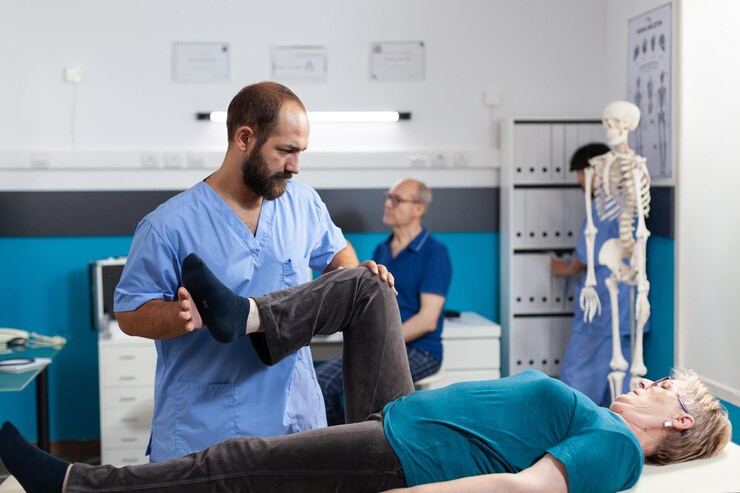
Knock knee, also known as genu valgum, is a condition where a person’s knees touch while their ankles stay apart. This can cause discomfort and affect mobility. For those with severe knock knee, treatments like knee replacement in Delhi can provide relief and restore normal function. Regular exercise, physical therapy, and proper footwear can also help manage symptoms and improve overall leg alignment. Consulting with a specialist can guide you toward the best treatment options according to your needs.
Causes of Knock Knee
Genetic Factors
-
Inherited Condition: Knock knee can be hereditary. It's passed down through genes, if parents have this condition, their children are more likely to develop it.
-
Developmental Issues: It often appears during childhood as part of normal growth. Most children naturally outgrow it by the ages of 7 or 8 as their bones continue to develop and straighten. However, in some individuals, this alignment doesn't correct itself and persists into adulthood, requiring intervention.
Medical Conditions
-
Rickets: A lack of vitamin D, calcium, or phosphate during childhood can lead to rickets. This condition causes bones to become weak and soft, which can contribute to the development of knock knee.
-
Osteoarthritis: In adults, osteoarthritis, a type of joint disease can worsen or cause knock knee. This happens because the uneven wearing down of knee cartilage can affect how the knees align, leading to the condition.
-
Injuries: Trauma to the growth plate in the knee, often due to accidents or sports injuries during childhood, can disrupt normal bone growth. This disruption may cause the knees to develop incorrectly, resulting in knock knee.
Nutritional Deficiencies
-
Malnutrition: Poor nutrition during childhood can affect bone development, increasing the risk of knock knee.
Symptoms of Knock Knee
Visible Deformity
Knock knee is characterized by the knees bending inward towards each other while standing with feet together. This inward angling can be visibly noticeable and may affect the alignment of the legs. It often gives the appearance of the legs forming a "knock" or a curve inward.
Pain and Discomfort
People with knock knee may experience pain in their knees, especially when walking or standing for extended periods. This discomfort arises because the misalignment of the knees can strain the joints and muscles. It can also lead to an abnormal walking pattern, which further contributes to discomfort and may cause strain on the legs and back over time.
Mobility Challenges
Knock knee can restrict movement and make physical activities more difficult. The inward bending of the knees can limit the range of motion, making it harder to walk, run, or participate in sports comfortably. This misalignment not only affects the knees but can also put added stress on the hips and ankles, potentially causing pain and reducing overall mobility.
Treatment Options for Knock Knee
Non-Surgical Treatments
-
Physical Therapy: Customized exercises can strengthen muscles around the knee and improve alignment. This approach is often recommended as the initial treatment for mild cases.
-
Orthotics: Special insoles or braces can help correct knee alignment and reduce pain. These devices help support the knee joint and promote proper positioning during movement.
-
Medications: Pain relievers and anti-inflammatory medicines can manage symptoms, but it's important to note that these medications do not correct the underlying issue.
Surgical Treatments
-
Guided Growth Surgery: This is a minimally invasive procedure used in children and adolescents to correct bone alignment as they grow. It involves placing small implants near the growth plates of the knee to guide bone growth and gradually correct the knee's alignment.
-
Osteotomy: In cases where non-surgical methods are not effective, osteotomy may be recommended. This surgical procedure involves cutting and repositioning the bones around the knee joint to improve alignment and reduce the angle of knock knee.
-
Knee Replacement Surgery: For severe cases, especially in adults, knee replacement surgery may be necessary. If you're considering this option, you may want to look into the knee replacement surgery cost in Delhi for detailed information.
Conclusion
If you or a loved one are facing Knock Knee, consider PSRI Hospital for knee replacement in Delhi and the best care for better health. Don’t let the condition hold you back. PSRI Hospital offers exceptional care for severe knock knee, providing a comprehensive treatment plan and compassionate approach that significantly improves mobility and quality of life. They use latest technology and provide a supportive environment for recovery. Take the first step towards better health by choosing PSRI Hospital for exceptional orthopedic care today.
Comments
Post a Comment